

Fitted Oven
Add a review FollowOverview
-
Sectors Engineering
-
Posted Jobs 0
-
Viewed 7
Company Description
9 Lessons Your Parents Taught You About Built In Electric Ovens
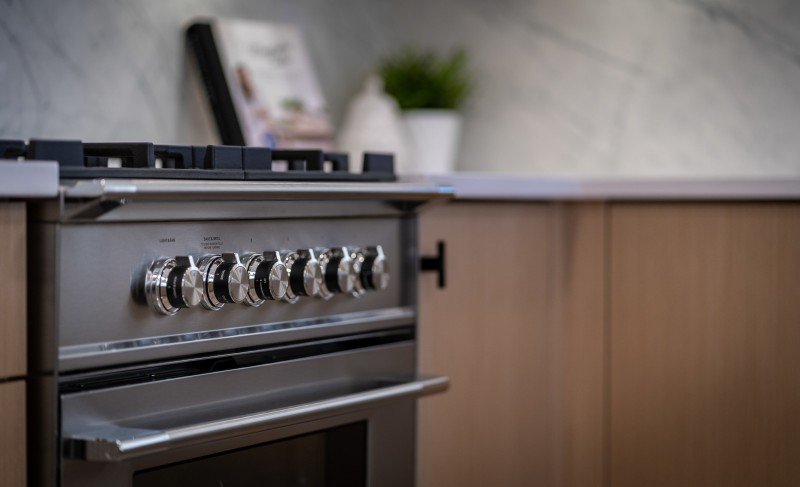
Understanding Built-In Electric Ovens: A Comprehensive Guide
In current years, the kitchen has transformed from merely a cooking space to a center for household events, entertaining visitors, and delighting in quality time. One of the most pivotal elements of modern-day cooking experiences is the kitchen oven. Built-in electric ovens have acquired immense popularity, thanks to their space-saving designs, sleek aesthetics, and advanced functions. This post provides an extensive expedition of built-in electric ovens, covering their types, benefits, installation considerations, upkeep suggestions, and a comprehensive FAQ area.
What Are Built-In Electric Ovens?
Built-in electric ovens are integrated cooking units developed to be set up straight into kitchen cabinetry or walls. Unlike standard freestanding ovens, Built in electric oven-in models supply a seamless look, adding to the general design of the kitchen space. They come geared up with different cooking functions, advanced innovation, and energy-efficient functions.
Kinds Of Built-In Electric Ovens
Built-in electric ovens come in numerous designs to satisfy varied culinary requirements and kitchen styles. Here are the most common types:
-
Single Ovens: Ideal for smaller kitchens, single ovens provide adequate cooking space for everyday meals without using up too much room.
-
Double Ovens: For avid cooks or large built in Ovens families that delight in hosting dinner celebrations, double ovens supply the ability to cook multiple dishes at various temperature levels at the same time.
-
Wall Ovens: Wall ovens are mounted at eye level, making them quickly accessible while eliminating the need to bend down. They usually can be found in single or double configurations.
-
Combination Ovens: These versatile appliances integrate conventional oven cooking with microwave performance, permitting for faster cooking times while protecting food taste and texture.
-
Steam Ovens: Designed for health-conscious cooks, steam ovens use steam to prepare food, protecting moisture and nutrients. They are perfect for vegetables, fish, and rice dishes.
Benefits of Built-In Electric Ovens
Built-in electric ovens offer numerous benefits for property owners wanting to improve their cooking experience. Some of the benefits include:
-
Aesthetic Appeal: Their sleek design enables greater design versatility, fitting seamlessly into kitchen cabinets and producing a sleek look.
-
Area Efficiency: Built-in ovens conserve important flooring space, making them an excellent choice for compact kitchen areas.
-
Improved Functionality: Many built-in electric ovens incorporate the most current cooking technologies, such as convection cooking, clever controls, and multiple cooking modes.
-
Easy Accessibility: Models installed at eye level are much easier to gain access to, reducing strain while inspecting or eliminating food.
-
Increased Home Value: Installing a premium built in oven to buy-in electric oven can enhance the resale worth of a home due to its modern-day and superior features.
Installation Considerations
While built-in electric ovens use many benefits, correct installation is vital to ensure they operate efficiently. Below are crucial factors to consider to bear in mind:
-
Cabinet Size: Ensure that the kitchen cabinetry where the oven will be installed is sized properly. Most built-in ovens included specific measurements that need to be abided by throughout setup.
-
Electrical Requirements: Built-in electric ovens need a devoted electrical supply. Homeowners need to seek advice from a certified electrician to ensure that the electrical wiring meets the necessary specifications.
-
Ventilation: Unlike gas ovens, electric ovens usually do not need venting, however adequate air flow is essential to avoid overheating.
-
Placement: Consider the oven’s positioning concerning kitchen workflow. It needs to be easily accessible while thinking about clearances from other kitchen appliances.
Setup Steps
- Step the cabinet area to make sure the oven fits.
- Guarantee the electrical supply is all set.
- Thoroughly place the oven within its designated cabinet.
- Protect it based on producer directions.
- Link to power and test its functionality.
Upkeep Tips for Built-In Electric Ovens
To lengthen the life of a built-in electric oven and guarantee its trustworthy efficiency, execute these upkeep ideas:
-
Regular Cleaning: Wipe spills and spots after each usage. Usage appropriate cleaners, ideally gentle, to prevent damaging the interior surface areas.
-
Examine Seals: Inspect the door seals for fractures or damage, and replace them if needed to maintain performance.
-
Calibrate Temperature: Over time, ovens might lose precision. Utilize an oven thermometer to confirm temperature readings and recalibrate if needed.
-
Annual Professional Service: Schedule a professional inspection and maintenance service at least when a year for bulit in oven (wifidb.science) thorough checks and repair work.
Regularly Asked Questions (FAQs)
1. What size built-in electric oven do I need?
The size of the oven need to depend upon your kitchen design and cooking needs. Requirement wall ovens normally range from 24 to 30 inches in width.
2. Can I set up a built-in electric oven myself?
While some house owners may have the skills to install their oven, it is typically suggested to hire a professional to ensure correct installation and compliance with safety standards.
3. What features should I look for in a built-in electric oven?
Consider features like convection cooking, self-cleaning alternatives, smart innovation, and multiple cooking modes to boost your culinary experience.
4. Just how much does a built-in electric oven expense?
Prices range substantially based on brand name, functions, and size. A standard model may start around ₤ 500, while high-end alternatives can exceed ₤ 3,000.
5. Are built-in electric ovens energy-efficient?
The majority of modern electric ovens come geared up with energy-efficient innovations, helping to minimize energy consumption while maintaining cooking efficiency.
Built-in electric ovens provide a mix of style, convenience, and advanced cooking abilities, making them a vital addition to today’s kitchens. By comprehending the types, benefits, setup factors to consider, and proper maintenance, property owners can make educated decisions that optimize their cooking experiences while enhancing their kitchen’s looks. Whether one is a skilled chef or a casual cook, investing in a built-in electric oven can change the cooking experience into a wonderful cooking journey.